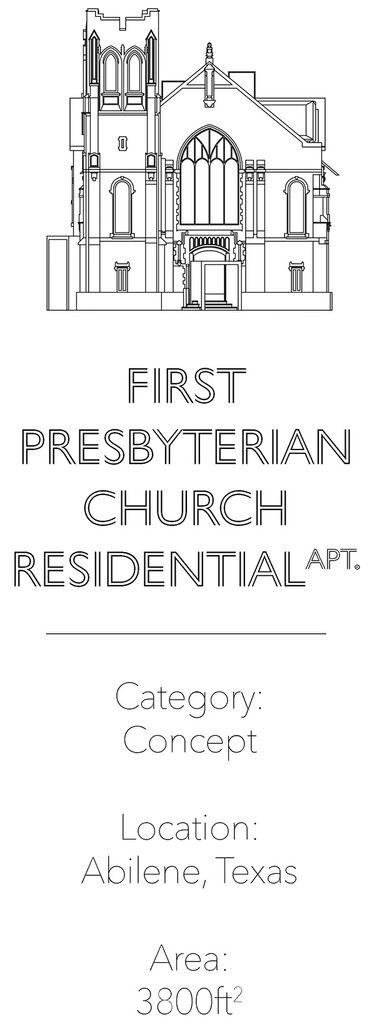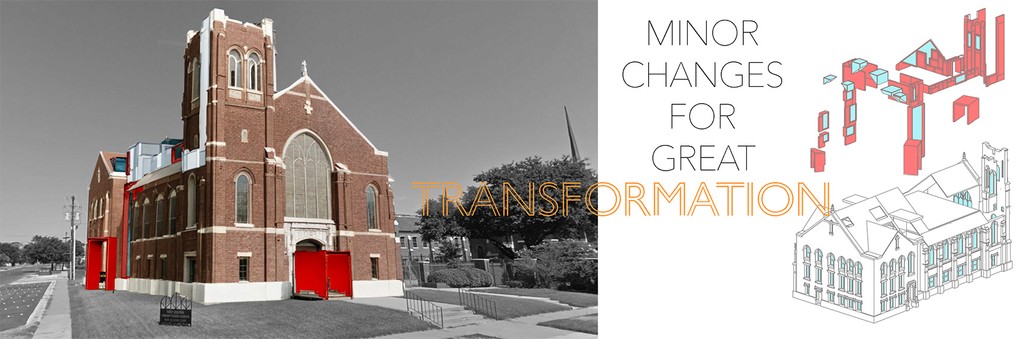
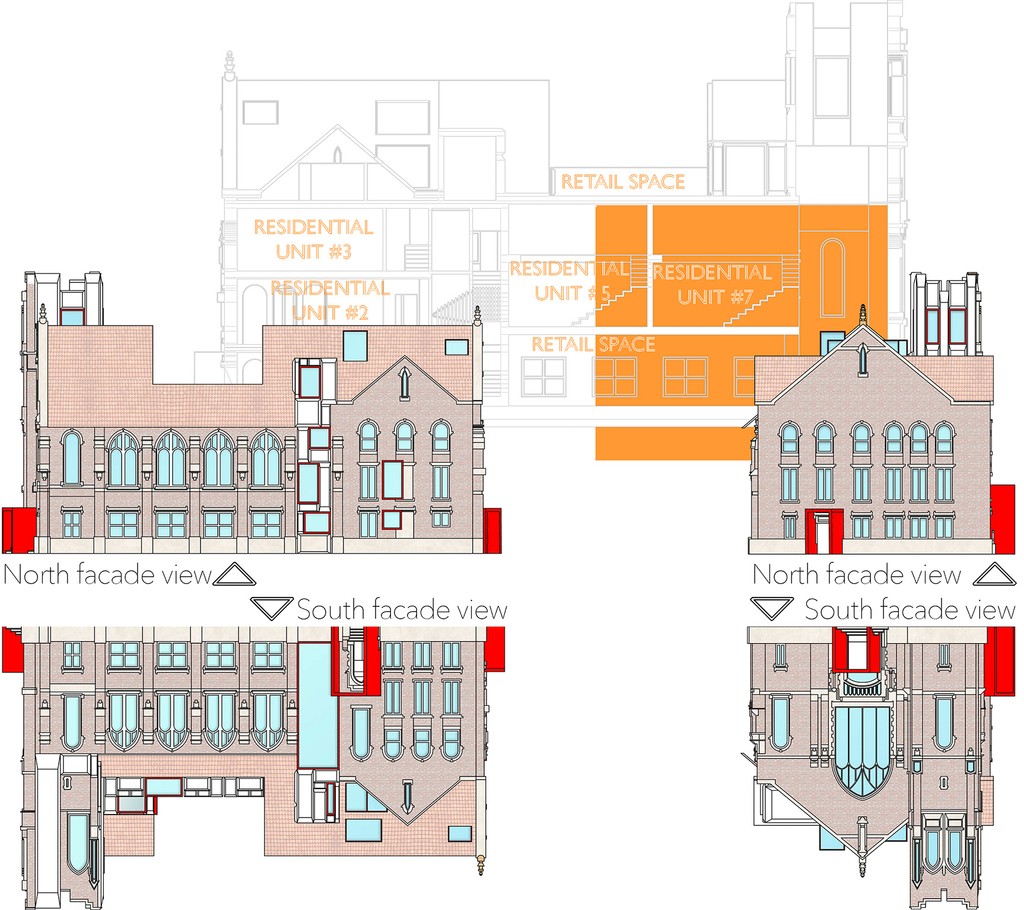
Adaptive Reuse Design – First Presbyterian Church, Abilene, Texas Designed a conceptual adaptive reuse proposal for the historic First Presbyterian Church in Abilene, Texas, transforming the existing structure into a mixed-use residential and commercial space while preserving its architectural integrity. The design includes seven residential units—three larger apartments with private entrances and four affordable studio-style units ideal for Airbnb or hotel use—alongside two open-plan commercial spaces located on the ground floor and within the upper level of the church. The project focused on integrating new functions without major structural alterations, respecting the character of the original building and responding to its urban context.
Adaptive Reuse Design – First Presbyterian Church, Abilene, Texas Designed a conceptual adaptive reuse proposal for the historic First Presbyterian Church in Abilene, Texas, transforming the existing structure into a mixed-use residential and commercial space while preserving its architectural integrity. The design includes seven residential units—three larger apartments with private entrances and four affordable studio-style units ideal for Airbnb or hotel use—alongside two open-plan commercial spaces located on the ground floor and within the upper level of the church. The project focused on integrating new functions without major structural alterations, respecting the character of the original building and responding to its urban context.
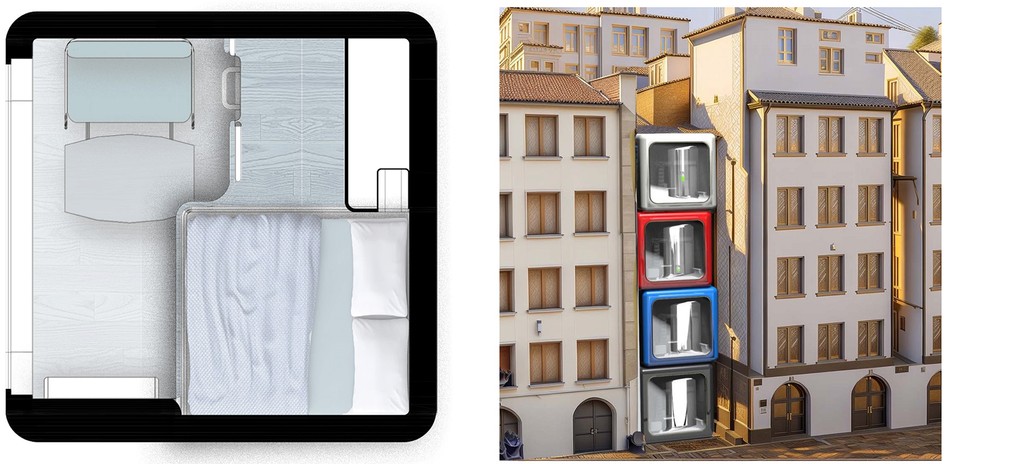
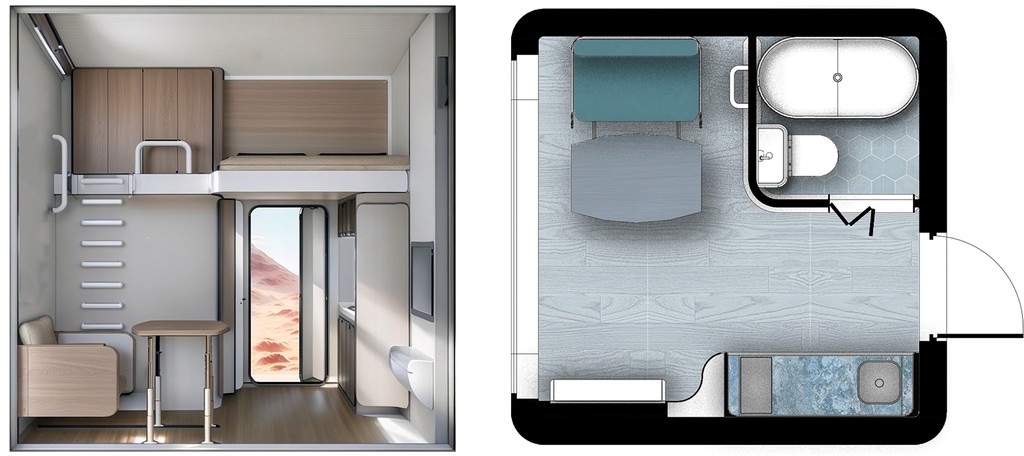
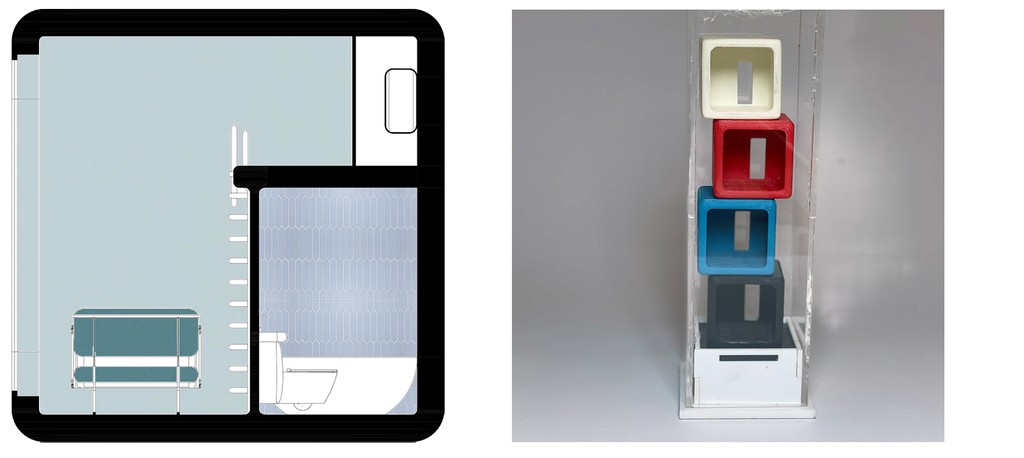
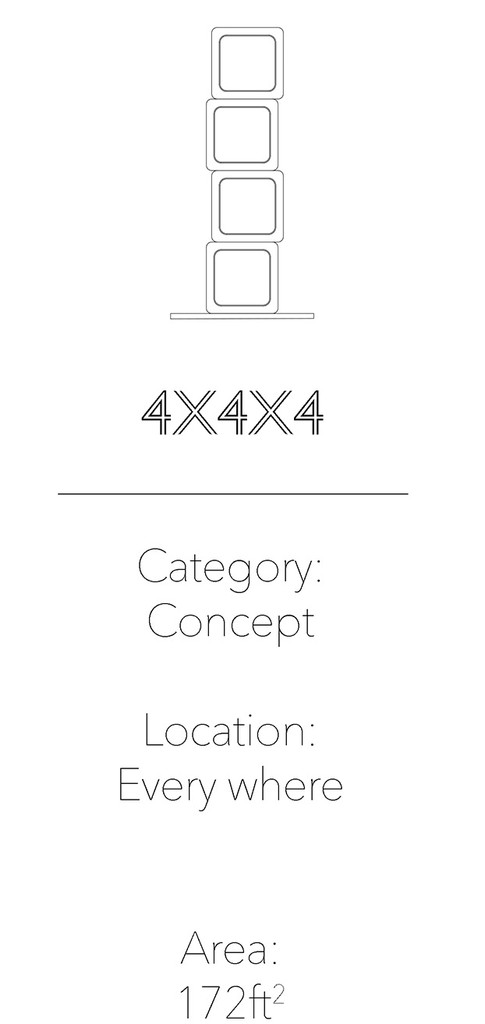
This compact modular housing project, titled 4X4X4, consists of prefabricated units measuring 13x13x13 feet (4x4x4 meters), with a total footprint of 172 ft² per unit. Each unit is designed to fully accommodate two people with all essential living functions: a kitchen, living room, bathroom, and bedroom. The layout is organized into two levels—the main floor contains the kitchen, living space, and bathroom, while the upper level is dedicated to a private sleeping area.
This compact modular housing project, titled 4X4X4, consists of prefabricated units measuring 13x13x13 feet (4x4x4 meters), with a total footprint of 172 ft² per unit. Each unit is designed to fully accommodate two people with all essential living functions: a kitchen, living room, bathroom, and bedroom. The layout is organized into two levels—the main floor contains the kitchen, living space, and bathroom, while the upper level is dedicated to a private sleeping area.
This compact modular housing project, titled 4X4X4, consists of prefabricated units measuring 13x13x13 feet (4x4x4 meters), with a total footprint of 172 ft² per unit. Each unit is designed to fully accommodate two people with all essential living functions: a kitchen, living room, bathroom, and bedroom. The layout is organized into two levels—the main floor contains the kitchen, living space, and bathroom, while the upper level is dedicated to a private sleeping area.
This compact modular housing project, titled 4X4X4, consists of prefabricated units measuring 13x13x13 feet (4x4x4 meters), with a total footprint of 172 ft² per unit. Each unit is designed to fully accommodate two people with all essential living functions: a kitchen, living room, bathroom, and bedroom. The layout is organized into two levels—the main floor contains the kitchen, living space, and bathroom, while the upper level is dedicated to a private sleeping area.
This compact modular housing project, titled 4X4X4, consists of prefabricated units measuring 13x13x13 feet (4x4x4 meters), with a total footprint of 172 ft² per unit. Each unit is designed to fully accommodate two people with all essential living functions: a kitchen, living room, bathroom, and bedroom. The layout is organized into two levels—the main floor contains the kitchen, living space, and bathroom, while the upper level is dedicated to a private sleeping area.
This compact modular housing project, titled 4X4X4, consists of prefabricated units measuring 13x13x13 feet (4x4x4 meters), with a total footprint of 172 ft² per unit. Each unit is designed to fully accommodate two people with all essential living functions: a kitchen, living room, bathroom, and bedroom. The layout is organized into two levels—the main floor contains the kitchen, living space, and bathroom, while the upper level is dedicated to a private sleeping area.
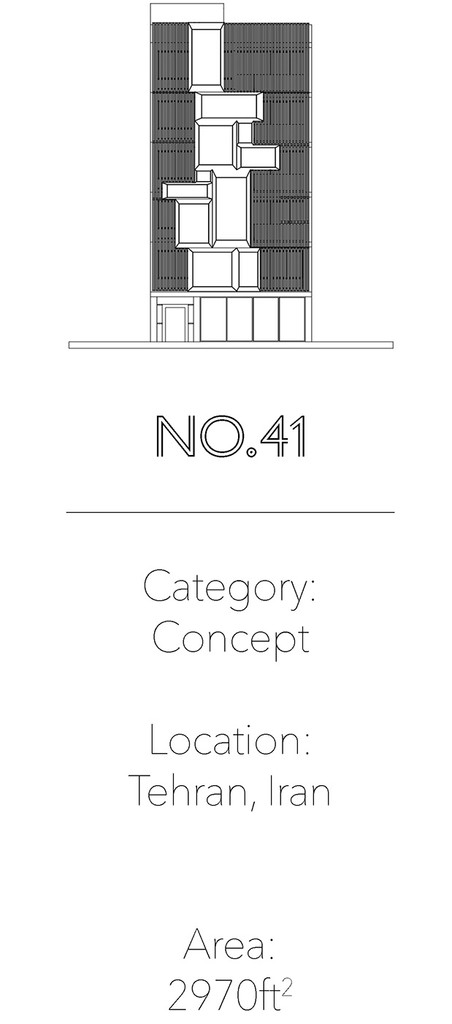
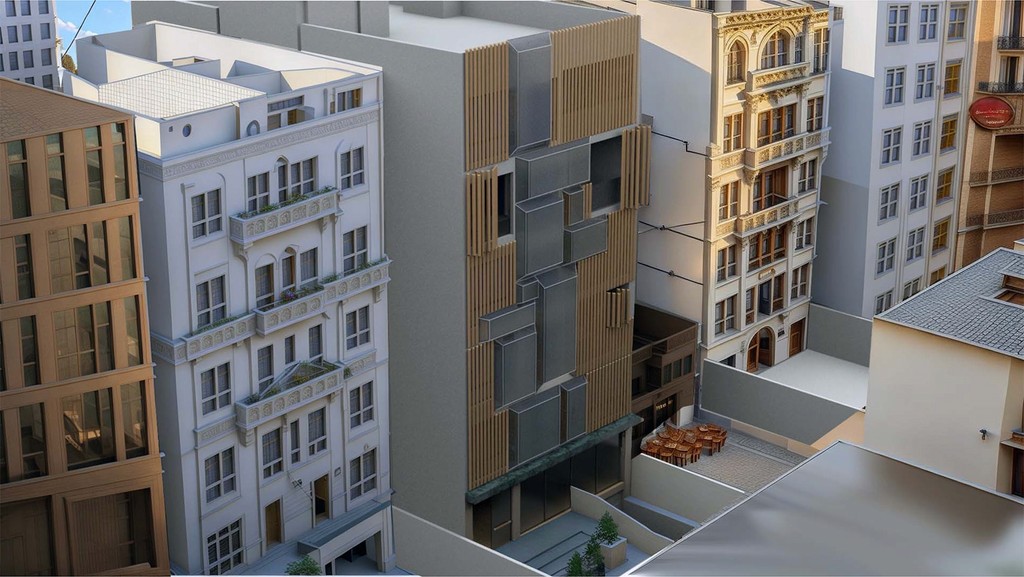
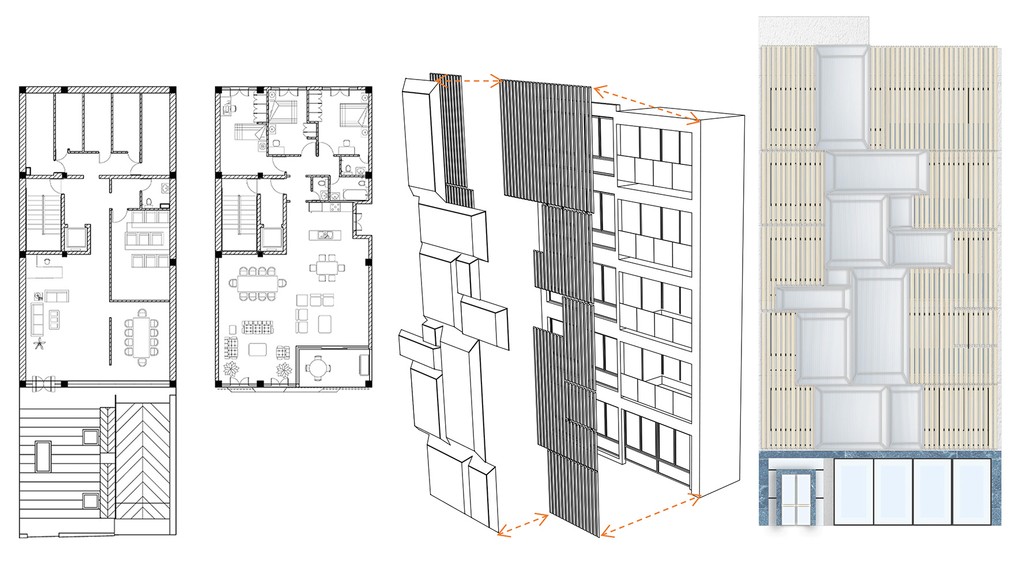
Building No. 41, on a 300-meter plot, has six floors above ground and one underground. Challenges included a narrow alley, lack of architectural style, and past height restrictions lifted in the 90s due to population growth. Initially, facades were plain due to budget limits, later replaced by poor Roman-style imitations. To address the building’s proximity to the south side, cost-effective louvres were used. To integrate with the neighborhood, a symmetrical facade with frosted glass boxes and wooden louvres was designed, balancing aesthetics and functionality.
Building No. 41, on a 300-meter plot, has six floors above ground and one underground. Challenges included a narrow alley, lack of architectural style, and past height restrictions lifted in the 90s due to population growth. Initially, facades were plain due to budget limits, later replaced by poor Roman-style imitations. To address the building’s proximity to the south side, cost-effective louvres were used. To integrate with the neighborhood, a symmetrical facade with frosted glass boxes and wooden louvres was designed, balancing aesthetics and functionality.